Why AI Video Needs More Than a Prompt
[BY]
David Smith
[Category]
AI Strategy
[DATE]

Generative tools can create moving images. Building memorable, brand-ready content still requires strategy, storytelling, creative direction and a connected production workflow.
AI can generate a frame. Building something audiences remember still requires an idea, a story and clear creative direction.
Generative video is becoming faster and more accessible.
A prompt can describe what appears on screen. But it cannot independently decide what the brand should communicate, why the audience should care or how the content should support a wider campaign.
That is why strong AI video needs more than a prompt.
Start With the Creative Foundation
Before generating the first image, a brand needs to define:
The communication objective
The target audience
The central creative idea
The story and message
The visual and audio direction
The required platforms and markets
Without this foundation, AI-generated content may look polished but still feel generic, inconsistent or disconnected from the brand.
The technology expands the possibilities. The creative idea gives those possibilities purpose.
Human Direction Makes It Brand-Ready
Every generated scene introduces creative decisions.
Does the character remain consistent?
Does the environment support the story?
Does the movement feel natural?
Does the voice match the brand?
Do all the scenes belong to the same visual world?
Human creative direction connects these elements.
It guides what should be generated, refined or removed—and ensures the final result feels intentionally created for the brand.
A Connected Workflow—from Idea to Final Frame
AI video production works best when strategy, creative development, generation and post-production are designed together.
01 | Define | Clarify the objective, audience, message, platforms, and production requirements. |
02 | Create | Develop the concept, script, storyboard, visual language, and audio direction. |
03 | Generate | Produce the required characters, environments, product visuals, motion, and voice assets. |
04 | Refine | Edit, composite, and art-direct the material for consistency, pacing, and production quality. |
05 | Deliver | Adapt the final content for the required formats, languages, platforms, and markets. |
This connected process keeps the original idea aligned from the first brief to final delivery.
Choose the Right Production Approach
Not every AI video project needs the same production model.
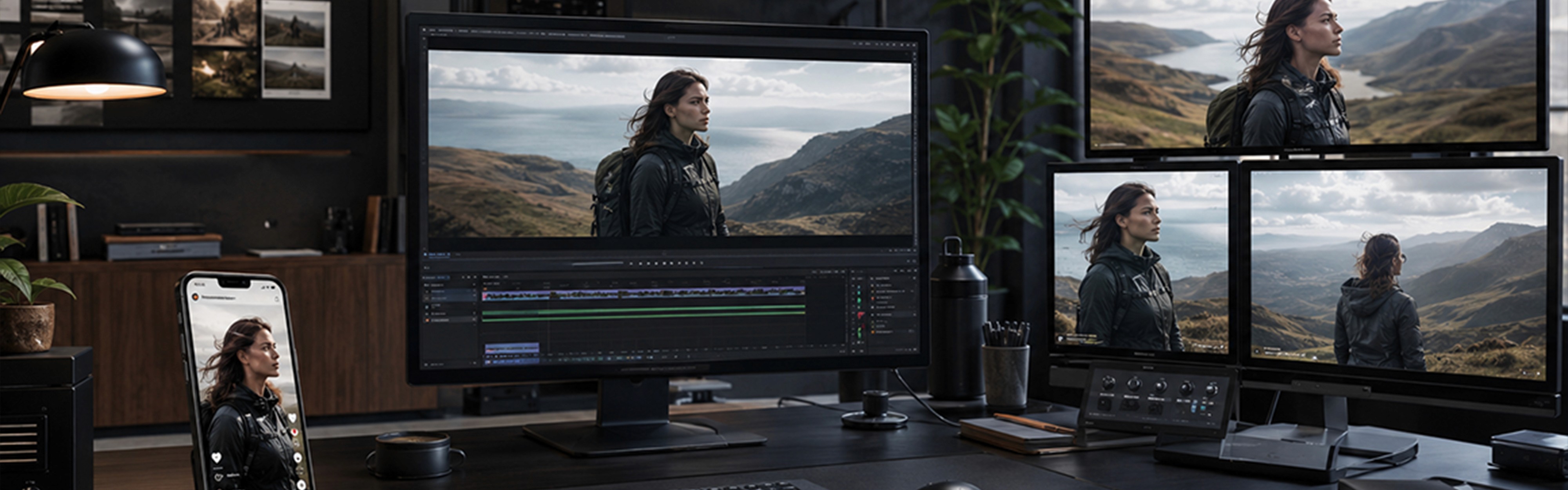
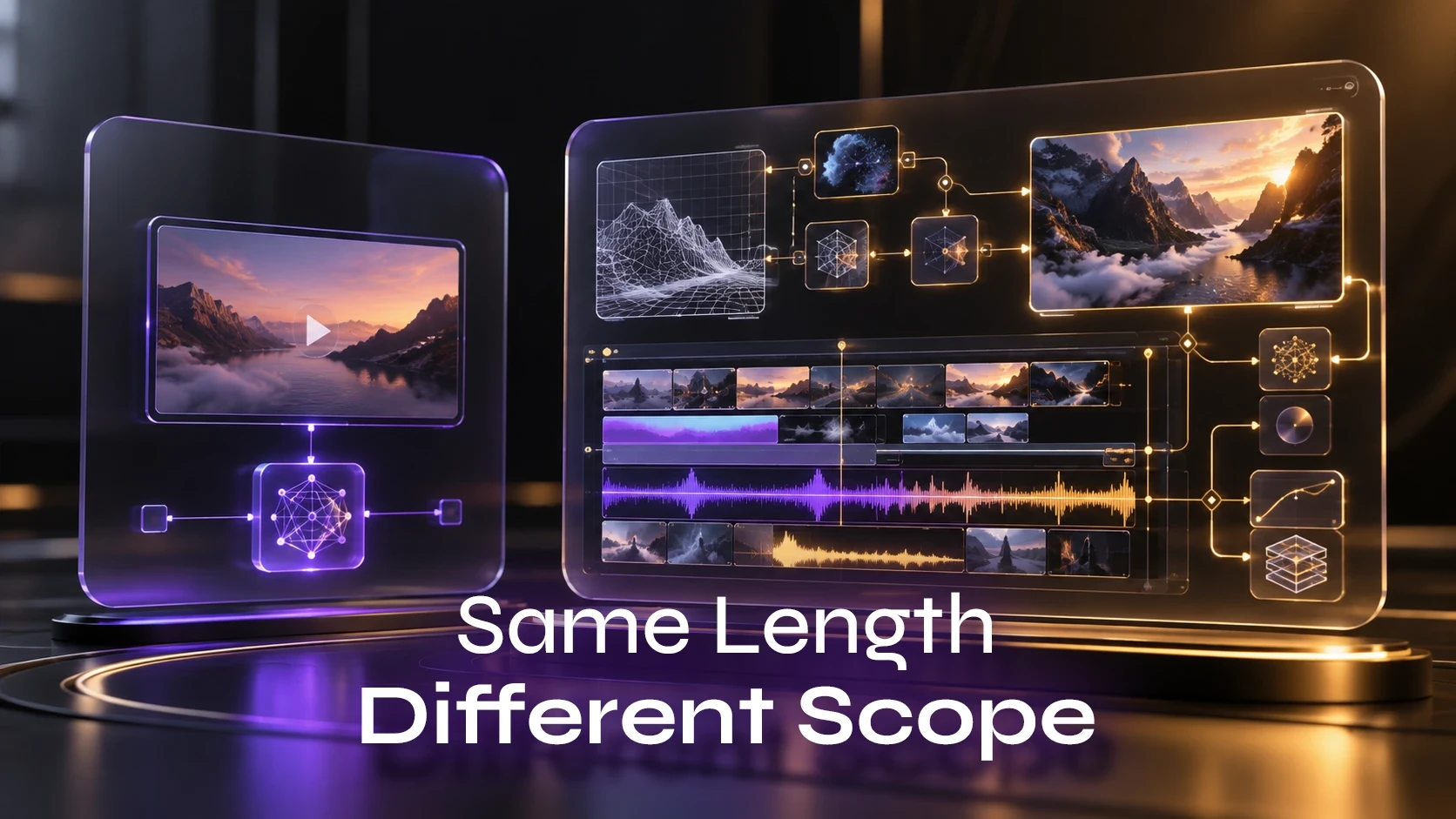
Starter AI Content | Campaign AI Video | Enterprise & Multi-Market Production |
Best for short-form social content, product visuals and proof-of-concept ideas. | Best for branded films, campaign stories and character or mascot content requiring a stronger narrative and production structure. | Best for content that must scale across languages, audiences, platforms or markets while maintaining consistent visuals and voices. |
The right approach depends on the idea, objective, audience, timeline and production scope—not simply the AI tool being used.
Scale Stories, Not Just Assets
AI can help brands extend one creative system across:
✦ New character stories & environments
✦ Product & service visualisations
✦ AI voice & Speech-to-Speech production
✦ Multilingual localisation & lip synchronisation
✦ Multi-platform content adaptation
But scale without direction can multiply inconsistency.
Successful AI production requires a controlled system that keeps the character, voice, visual identity and message recognisable throughout every adaptation.
More Than a Prompt
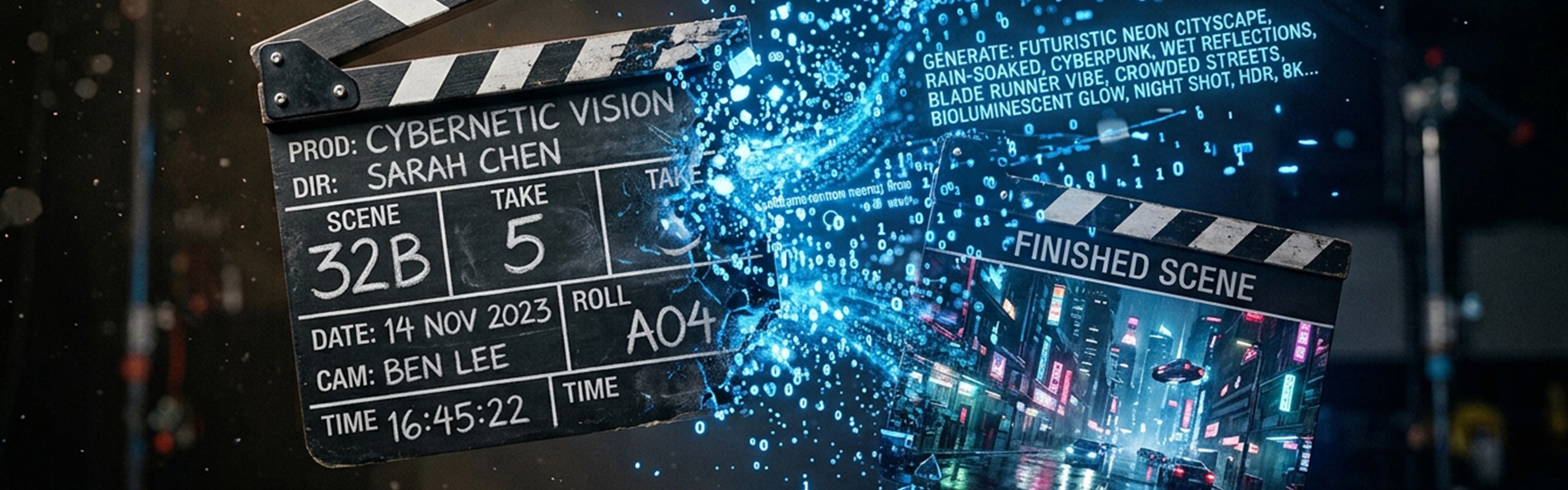
The opportunity is not simply to produce content faster.
It is to develop ideas that may be difficult to film, bring brand characters to life and adapt stories across audiences through a more connected production process.
AI provides the tools.
Strategy defines the purpose. Creative direction protects the idea. Production craft makes it ready for the audience.